


The Nature of Luck in Gambling
Luck is often described as the unpredictable force that influences outcomes beyond one’s control. In the realm of gambling, luck can dictate the fate of players, whether they’re spinning the reels on a slot machine or placing bets at a poker table. For those seeking the best online casino australia , the randomness inherent in most gambling activities means that players can experience both thrilling victories and devastating losses, often stemming from factors entirely outside their control. This volatility is what makes gambling both exhilarating and perilous.
Take for instance a simple game of roulette. No matter the skill level of the gambler, the winning numbers are ultimately decided by the randomness of the ball’s bounce. A seasoned player might be familiar with betting strategies and know how to manage their bankroll effectively, yet the outcome still hinges on where the ball lands. This fundamental unpredictability underscores the importance of luck, as even the most strategic players can experience streaks of both wins and losses. This balance of skill and chance creates a dynamic playing field where every spin or deal is a new opportunity.
Furthermore, the role of luck amplifies the excitement that draws individuals to gambling. The thrill of hitting a jackpot or winning a hand can create an adrenaline rush that keeps players coming back for more. While skill and strategy can improve a player’s chances, the ever-present element of luck ensures that every gambling session remains a unique experience, filled with both hope and uncertainty. This dynamic interplay between luck and skill captivates players and keeps the gambling industry thriving, as each game offers the potential for life-changing outcomes.
The Psychological Impact of Luck
Luck not only influences the outcomes of gambling but also plays a significant psychological role in how players perceive their chances of success. Many gamblers develop a belief in their own luck, often attributing wins to their skill or intuition rather than random chance. This psychological phenomenon can lead to overconfidence, where players push their limits, believing they are on a winning streak, when in fact, it is simply a matter of luck. Such beliefs can distort a player’s understanding of probability and risk, leading to decisions that may not align with rational thinking.
The concept of “lucky charms” or rituals that gamblers engage in further highlights the psychological association with luck. From wearing specific clothing to following certain routines before placing bets, many individuals believe these actions can sway fortune in their favor. This belief system can create a sense of control in an otherwise unpredictable environment, showcasing how deeply intertwined luck is with the gambling experience. These rituals can serve as coping mechanisms, providing comfort amidst the uncertainty of outcomes and enhancing the overall gaming experience.

This psychological dependency on luck can lead to a double-edged sword for players. While it can provide a temporary boost in confidence, it can also contribute to chasing losses, a behavior that is often detrimental. Gamblers may find themselves convinced that they can turn their luck around, only to fall deeper into a cycle of gambling that may lead to significant financial and emotional consequences. Recognizing the psychological impact of luck is crucial in promoting responsible gambling practices and fostering a healthier relationship with gaming activities, allowing players to enjoy the experience without falling victim to its pitfalls.
Luck vs. Skill in Different Gambling Games
The debate over luck versus skill is highly relevant in the context of various gambling games. In games heavily reliant on chance, such as slots and roulette, luck undoubtedly plays a dominant role. Players have little to no influence over the outcome, as these games are governed by random number generators and the laws of probability. While understanding game mechanics can enhance enjoyment, it doesn’t significantly enhance a player’s chances of winning consistently. The thrill of these games often comes from the unpredictability of the outcomes, which keeps players on the edge of their seats.
Conversely, games like poker and blackjack require a greater degree of skill. While luck is still a factor—especially in the short term—the ability to read opponents, calculate odds, and make strategic decisions can greatly impact long-term success. Players who invest time in learning the intricacies of these games often find that their skills can lead to more favorable outcomes over time, though they must still contend with the capricious nature of luck. This blend of skill and luck creates a complex gaming environment that challenges players to adapt and refine their strategies continuously.
These differences illustrate why gambling outcomes are often framed in terms of both luck and skill. Many players seek to find a balance between the two, honing their skills while also hoping for favorable outcomes driven by luck. This duality not only affects how individuals approach gambling but also shapes the overall landscape of the industry, influencing everything from game design to promotional strategies used by casinos. Understanding the interplay between luck and skill can enhance a player’s strategies and improve their overall experience in gambling, fostering a sense of empowerment in their gaming endeavors.
The Role of House Edge and Luck
The house edge is a critical concept in understanding how luck interacts with gambling outcomes. It is the advantage that the casino has over players, calculated into the odds of every game offered. The house edge ensures that, over time, the casino will profit regardless of the individual player’s luck. This fundamental principle highlights the importance of understanding that while luck can lead to short-term gains, the odds are statistically designed to favor the house in the long run. This creates a challenging environment for players who hope to achieve consistent winnings.
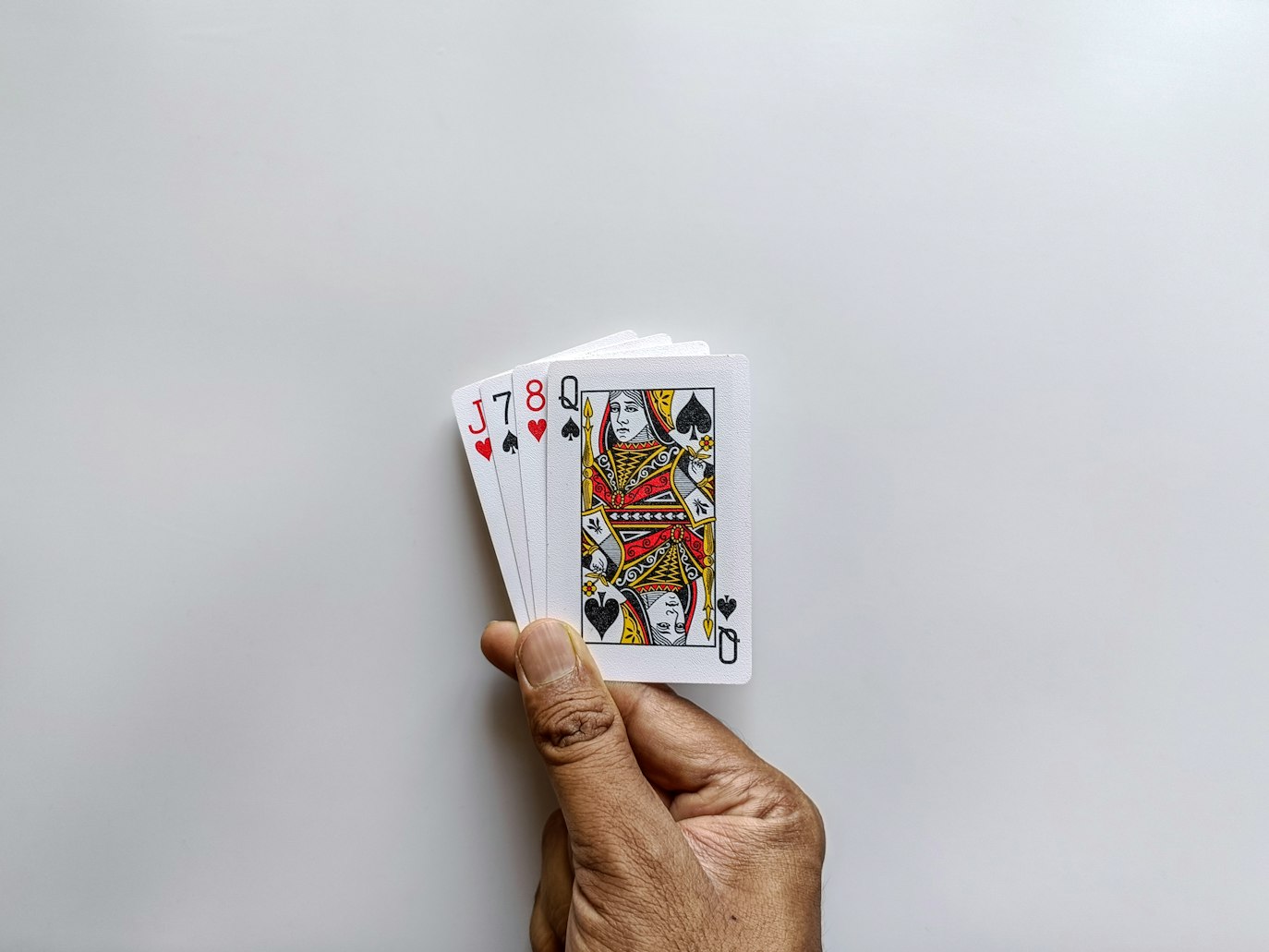
For instance, even in games like blackjack, where players can employ strategies to minimize losses, the house edge still exists due to rules that favor the dealer. Players can experience streaks of winning hands thanks to luck, but ultimately the house edge remains a significant factor that can skew results over time. Understanding this dynamic can help players manage their expectations and approach gambling with a more informed mindset. It emphasizes the need for players to recognize the importance of strategy in conjunction with luck, allowing them to make more calculated decisions.
As such, while luck can momentarily overshadow the house edge, it is essential for players to recognize that consistent success in gambling is challenging due to this inherent advantage. This realization can lead to more responsible gambling practices, as players acknowledge that while streaks of luck can occur, they are ultimately part of a larger mathematical framework where the house holds the upper hand. Acknowledging the house edge encourages a more strategic approach to gambling, promoting awareness of the risks involved and enhancing overall player experience.
Understanding Gambling through the Lens of Luck
In conclusion, understanding the role of luck in gambling is crucial for anyone seeking to engage with these games responsibly. While luck can offer moments of excitement and unexpected wins, it is essential to approach gambling with a clear understanding of its unpredictable nature. Players can enjoy the thrill of chance while maintaining realistic expectations about their potential for success. This understanding fosters a healthier approach to gambling, allowing individuals to appreciate the entertainment value without overestimating their odds, leading to a more enjoyable experience.
Many resources are available for those interested in exploring the world of gambling further. Whether it’s through educational articles, strategy guides, or interactive tools, players can gain insights into how luck interacts with different forms of gambling. This knowledge can empower individuals to make informed decisions, ensuring they find enjoyment without falling prey to the pitfalls of overconfidence or reckless behavior. Such resources can enhance a player’s understanding, making their gambling experience more enjoyable and responsible.
Ultimately, luck will always be a defining element in the landscape of gambling. By fostering an awareness of this aspect, players can cultivate a healthier relationship with gambling, focusing on the entertainment value while remaining mindful of the inherent risks involved. Whether for leisure or serious play, understanding the balance of luck and skill can enhance the overall experience, leading to a more satisfying journey in the world of gambling. Embracing the reality of luck encourages players to enjoy the game while being aware of the delicate balance that exists in every gamble.

Recent Comments