


The Concept of Luck in Gambling
Luck plays a pivotal role in the realm of gambling, particularly in casinos. It often determines the outcome of various games, adding an element of uncertainty that keeps players engaged and coming back for more. Unlike traditional games that rely heavily on strategy and skill, casino games like slots and roulette are predominantly based on chance. Players frequently enter the gaming environment hoping that luck will be on their side, believing that fortune can alter their experiences dramatically, from big wins to unfortunate losses. For those interested in trying their hand at games that rely on chance, online pokies australia offers a thrilling experience that showcases the exhilarating rush of hitting a jackpot or the crushing disappointment of a losing streak, which is a testament to how deeply luck is woven into the fabric of casino gaming.
Understanding luck’s influence is essential for players as they navigate their gambling experiences. While some might argue that skill can sway outcomes, the inherent randomness of games such as blackjack and poker suggests that luck holds the ultimate power. This unpredictability is what creates both excitement and fear, making every spin of the wheel or flip of the card an emotional rollercoaster. The very essence of gambling is based on this uncertainty, and thus, luck becomes an integral part of the narrative that players craft around their casino journeys. Each visit to a casino is laden with the promise of luck, creating a unique story for every player.
Moreover, the perception of luck varies from player to player. For some, luck is a fleeting idea associated with the highs of a jackpot win, while for others, it’s a constant companion that they feel eludes them. This psychological aspect adds another layer to the casino experience, as players often embrace rituals or superstitions, such as wearing lucky charms or following specific patterns, in hopes of enhancing their probability of winning. These behaviors highlight how deeply intertwined luck is with the emotional and psychological facets of gambling. The stories players tell themselves about luck can shape their experiences, influencing their choices and overall enjoyment.
Luck and Game Selection
The type of games that players choose to engage in can significantly influence their experiences, often based on their perception of luck. Casino enthusiasts may gravitate towards games known for their high-volatility features, such as slot machines or certain table games, where the potential for large payouts exists but at a greater risk. This creates a dynamic environment where players actively weigh their options and decide based on their luck-driven expectations. Games like these often represent the thrill of chance, drawing players who seek that rush of adrenaline associated with high-stakes gambling. The choice of game can set the tone for the entire gambling experience, impacting how players feel about their luck from the outset.
Conversely, some players might prefer games that are perceived as requiring more skill, like poker, where luck is still a factor, but strategy also plays a crucial role. In these cases, players believe that their knowledge of game mechanics and psychological tactics can influence their chances, leading to a different kind of casino experience. This interplay between luck and skill can lead to diverse emotional responses, as some players may feel empowered while others might feel frustrated if luck does not favor them. The blend of strategy and chance in these games often creates a rich tapestry of experiences that can enhance or detract from the overall enjoyment.
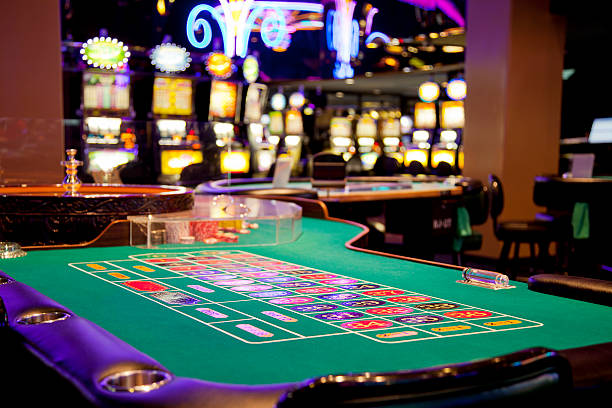
Furthermore, the atmosphere of the casino can also shape how luck is perceived and experienced. A vibrant, lively environment can energize players, enhancing the feeling of luck being present. Players might find themselves cheering for fellow gamblers or reveling in the collective energy of a crowd during a major win. Each game becomes not just a solitary experience but part of a shared narrative, where luck feels more palpable and connected to the broader casino experience. This communal aspect of gambling can amplify the emotional highs and lows associated with luck, making players feel part of something larger than themselves.
The Psychological Influence of Luck
The belief in luck is deeply psychological and can significantly shape a player’s gambling experience. Many players operate under the notion that luck can be cultivated, leading them to engage in various rituals to enhance their prospects. These superstitions often include lucky numbers, specific clothing, or even routines before playing. Such behaviors stem from a desire to control the uncontrollable, adding a layer of hope and anticipation to each gaming session. The act of believing that luck can be influenced creates a rich tapestry of human emotion within the casino environment, as players invest not just money, but their hopes and dreams into the outcomes of games.
This psychological influence can create a double-edged sword for players. While positive beliefs about luck can enhance enjoyment and encourage continued play, they may also lead to negative outcomes when luck does not align with expectations. This disconnect can manifest in feelings of frustration, disappointment, or even anger, especially in scenarios where significant losses occur. Thus, understanding one’s emotional connection to luck becomes vital for maintaining a healthy relationship with gambling. The highs of winning can be intoxicating, but the lows of losing can be devastating, highlighting the need for players to remain grounded.
Moreover, the outcome of games can reinforce or challenge a player’s belief in luck. Winning often leads to a heightened sense of confidence and may encourage players to continue gambling, while losing can instill doubt and fear. Such fluctuations highlight the importance of managing expectations and maintaining a balanced perspective on luck’s role. Ultimately, the psychological dynamics of luck create a complex interplay that’s fundamental to the overall casino experience. Recognizing the psychological aspect of luck can empower players to approach gambling with a more mindful attitude, reducing the emotional turmoil that often accompanies big wins and losses.
Luck and Casino Promotions
Casinos often utilize the concept of luck in their promotional strategies to attract players. Special events, themed nights, and lucky draws create an environment where luck appears actively at play. Promotions can be designed to highlight lucky moments, such as jackpots and giveaways, appealing to the innate desire for fortune that many gamblers possess. This strategic emphasis on luck becomes an integral part of the marketing narrative, drawing in a crowd eager to experience their own moment of serendipity. The thrill of a promotional event can evoke feelings of excitement and anticipation, enhancing the overall casino experience.
These promotions not only boost attendance but enable casinos to create a community atmosphere that reinforces the idea that luck is attainable. Players are encouraged to believe in their ability to win, whether it be through luck-based games or special promotional events. This blend of marketing and the luck factor fosters a sense of camaraderie among players, as they share in both the thrill of the game and the anticipation of potential rewards. Community events can amplify the feeling of luck being present, as players celebrate wins together, creating lasting memories in the process.
Furthermore, these promotions can significantly affect player behavior and spending patterns. When players feel lucky or are convinced that luck is on their side, they are more likely to increase their playtime and invest more money. This connection between luck and promotional events demonstrates how vital a role luck plays in shaping not just the individual experiences of players, but also the business strategies of casinos themselves. Understanding this dynamic can help players navigate their own gambling habits and recognize when promotional strategies may be influencing their decisions.
Finding Balance in Your Casino Experience
As players navigate their casino experiences, finding a balance between luck and strategy is crucial for long-term enjoyment. While luck can certainly impact short-term results, understanding the limits of luck is essential for maintaining a sustainable approach to gambling. Knowledge of games, sound bankroll management, and recognizing when to walk away can help mitigate the emotional rollercoaster associated with luck’s unpredictable nature. By developing a mindful approach, players can enjoy the thrill of games while keeping the potential for losses in check, ultimately leading to a more rewarding experience.
Additionally, it’s important for players to take the time to reflect on their attitudes toward luck within the context of gambling. Recognizing that wins and losses are part of the experience can help cultivate a healthier mindset. Players who embrace both the highs and lows of the gambling experience often find greater satisfaction, even when luck does not consistently favor them. This shift in perspective can lead to a more fulfilling and enjoyable casino experience, allowing players to appreciate the journey rather than just the destination.
Ultimately, luck will always be an integral part of gambling. However, balancing enjoyment and risk can enhance the overall experience and lead to more gratifying outcomes. Players who learn to appreciate the randomness of luck while also engaging with strategy and self-awareness will likely find themselves with a richer, more enjoyable casino journey. By fostering a balanced relationship with luck, players can ensure that their time in the casino remains entertaining and fulfilling, regardless of the outcomes.

Recent Comments